
On Vulnerability
A Trans Artist Drawn

Vulnerable
adjective
capable of being easily hurt or harmed physically, mentally, or emotionally
open to attack, harm, or damage
Vulnerable comes from the Latin noun vulnus, meaning “wound”.
The vulnerability of transness has, for me, felt synonymous with the vulnerability that arrives stapled to the artist’s life. Each commits to the continuity of articulation—a repetition of change, and a faith in the call for that repetition’s translation so that it may be expressed. Like dancers writing with feet and air, and fingers squeezing four strings into a lasting chord, like the painter pulling sunlight from the sky and two hands curled around needle and thread, so too is trans life devoted to experiencing our inner expanses in their embodied forms.
As poets, we know our language has been hijacked by perpetrators of inertia who want us unmoved. So we come to understand that speech must be turned into song. To do so, the body must make a new decision to twist the voice into its next shape. So too, the scalpel gliding against skin, a barber’s clippers kissing the nape of neck (next the wind), a shade of lipstick, a winged eye, a deep breath, a syringe pushed, then pulled, a drop of blood—anything which can be drawn, by which I mean brought in, and at once, also, brought about. I pull the feeling down and the word comes out. I sense the direction of my body change, and I change the direction of my body. Each articulation of who we are is also an articulation of who we will no longer be. Rather than the rehearsed public arrival, this life of a continuous, public attempt. Vulnerable. Wounded. The mirror open and the curtains drawn.
Six months have passed, and I keep coming back to the image of the curtains resting by Rheame’s window in the days following surgery. Pain billowing behind the sound of lives passing by below. Weeks before, I had watched from the same pillowed perch, Rheame’s friend sleeping on the couch shirtless, their scars well-healed and visible only as a blurred glimpse from each side, their stomach and chest pressed flat against the makeshift bed. Weeks later, in the ripeness of becoming, in those pain-shafted hours when all I could do was ask, I thought of that friend, and I failed to imagine being able to someday sleep with my chest pressed that way —flat and against— without the sutures screaming into snaps, without the drains filling with puss, without wire slicing into the skin where it was tied, sending a rippling red screeching through my breath. I couldn’t, from that height of injury, climb down to imagine my body healed.
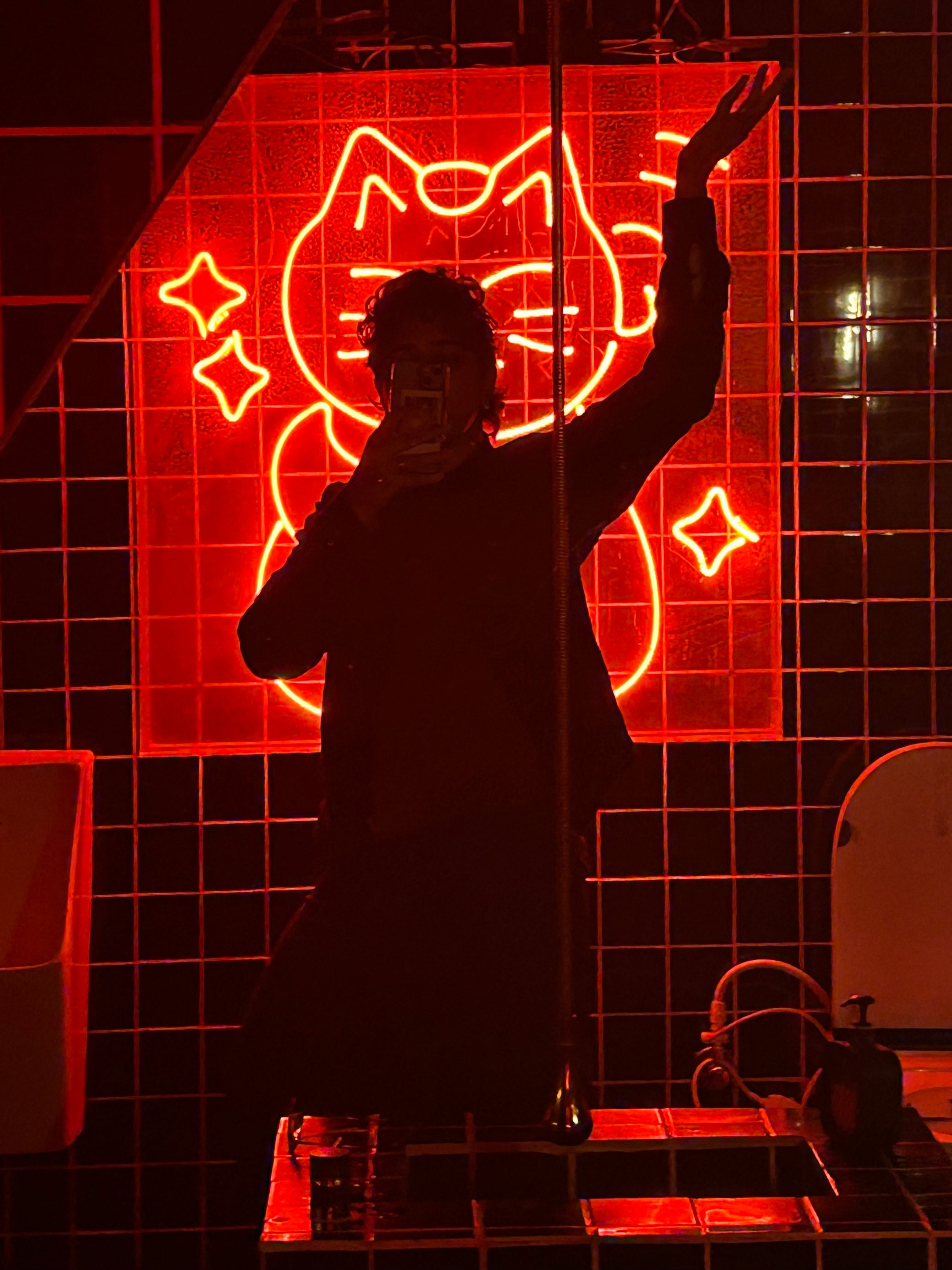
It is this journey—following truth into injury, following injury into faith—that I call vulnerability. When I am writing (like so), I am opening the language of my life, so that I may sit inside it. When I am sharing my work, I am bringing to you, dear reader, the form and music I made of that language. It feels no different than walking into my family home quivering, my hair no longer falling to my shoulders behind me; no different than letting my lover unbutton my shirt and put her mouth to the newformed scar not knowing what I will next feel. I enter with the body I have chosen and I offer it. The poem on the page is in the shape I made it. It is vulnerable because it is honest about its own temporality. Here is a moment in time. Here is the next, entirely new. To honor it, I will allow myself to be drawn.
Thank you for reading!